Skip to content
SoonZentrax · NATO task force · ROE

NATO rules of engagement

NATO is an independent force whose primary responsibility is the civilian population. It assesses each situation as it develops and decides how to respond, including whether to cooperate with other factions. Its rules of engagement say exactly when it may act; they are being written now and are not published yet.

DocumentNATO ROE · Zentrax
StatusIn preparation
Applies toNATO, when deployed

ROE card set

What the cards will cover

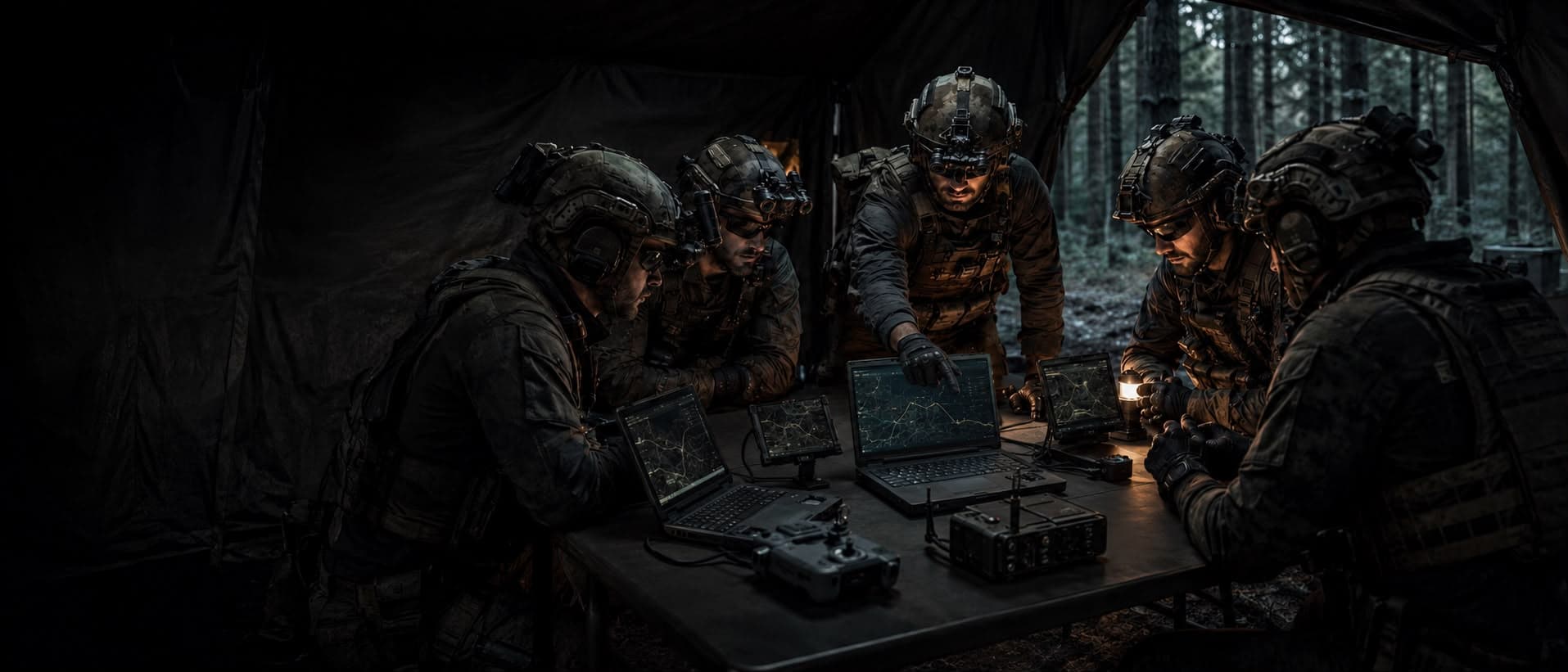
The rules come as a set of cards, the way a task force is briefed before it deploys. This is the structure; the rules on each card follow when the organisation publishes them.

  1. Card AIn preparation

    Mission and commander's intent

    Why NATO is deployed in the scenario, what the end state is and what the task force may and may not do to reach it.

  2. Card BIn preparation

    Positive identification

    When a target counts as identified, and what NATO does with contacts it cannot identify.

  3. Card CIn preparation

    Hostile act and hostile intent

    What counts as a threat and when a NATO element may respond to it.

  4. Card DIn preparation

    Escalation of force

    The steps from presence to warning to engagement, and who may decide to move up a step.

  5. Card EIn preparation

    Weapon control status

    How the command sets WEAPONS HOLD, TIGHT or FREE for an area, and how that reaches every fire team.

  6. Card FIn preparation

    Civilians, detention and handling

    How NATO deals with CIVS, checkpoints, searches and people it detains.

  7. Card GIn preparation

    Reporting

    What is reported to the command after contact, and in which format.

Until then

The event rules of each event apply to every operator on the field, NATO included. NATO places are invite only and assigned by the organisation; the players it invites get these rules in their briefing as soon as they exist.